
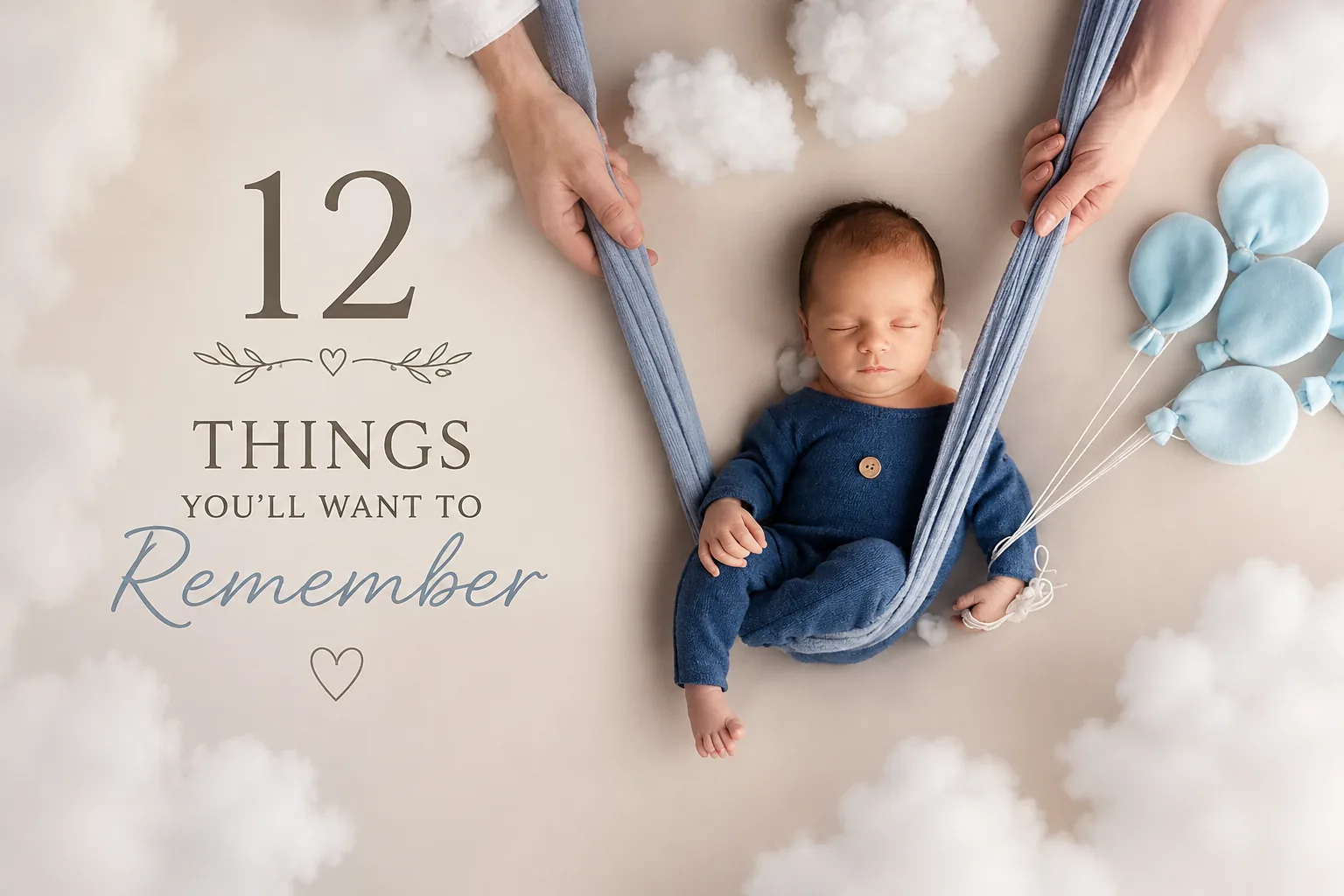
Baby's First Year: 12 Things You'll Want to Remember Forever
Baby’s first year memories are often made from the smallest moments. Not only the big milestones we expect to remember forever, but the tiny details that seem completely ordinary while we’re living them.
The first year with a baby can feel incredibly long and unbelievably short at the same time. In the beginning, days and nights seem to blend together. There are feeds, nappies, broken sleep, cuddles and endless changes of tiny clothes. Then suddenly you’re choosing a first birthday cake and wondering how the newborn you once held with two hands became this curious little person.
Of course, you’ll probably remember the first smile, the first time your baby sat independently or those exciting first steps.
But there are other things you may not realise you’ll miss.
The weight of them sleeping on your chest. The way their tiny fingers wrapped around one of yours. A funny sound they made for only a few weeks. The favourite toy that had to come everywhere. Even the little routines that once felt repetitive can become surprisingly precious when that stage has passed.
So this isn’t really a list of twelve milestones.
It’s a reminder to notice some of the ordinary pieces of your baby’s first year that one day may not feel ordinary at all.
1. How Tiny They Really Were1. How Tiny They Really Were
You know your newborn is tiny. You hold them every day, dress them, change their nappies and watch them sleeping beside you.
But it’s surprisingly difficult to remember their actual size.
Those newborn sleepsuits that once seemed enormous suddenly look impossibly small. Their whole body used to fit against your chest. Their head rested perfectly in the palm of your hand. Even the Moses basket that once seemed huge around them eventually becomes something they outgrow.
This is one of the reasons the newborn stage can feel so fleeting. Your baby may never change quite as dramatically, quite as quickly, as they do during their first year.
If you want to preserve this stage through photographs, the very beginning is also when a newborn photography session can capture those tiny proportions before they begin to change.
2. Their Tiny Hands and Feet
There is something about newborn hands and feet that parents seem instinctively drawn to.
The wrinkled little toes. Tiny fingernails. The way your baby’s hand curls around your finger. Those feet that can almost disappear inside your palm.
At first, you see them every day and assume you’ll always remember exactly what they looked like.
But babies grow so gradually that we often don’t notice each individual change. Then one day you look at their feet and realise they aren’t those tiny newborn feet anymore.
Photographs of hands and feet can become particularly meaningful because they show scale. A baby’s hand resting inside a parent’s hand tells you immediately just how small they once were.
And these details don’t need a face to tell a story.
Sometimes a photograph of tiny fingers wrapped around Mum’s thumb, a baby’s feet between their parents’ hands or little toes peeking from underneath a blanket can hold just as much emotion as a traditional portrait.
3. The Way They Slept on You
There will probably be days when you desperately wish your baby would sleep somewhere other than on you.
Your coffee is getting cold. Your phone is just out of reach. There are things you need to do and somehow your baby has decided that your chest is the only acceptable place in the world to sleep.
At the time, it can feel exhausting.
Later, you may remember it very differently.
The weight of their warm little body against yours. Their face completely relaxed. One tiny hand resting on your chest. The little noises they make while sleeping. The feeling that, for that moment, you are their safest place in the world.
You don’t need to enjoy every second of the baby stage to eventually miss parts of it.
And perhaps that’s one of the strangest things about becoming a parent: some of the moments that feel hardest while you’re living them can become the ones you remember most tenderly when they’re gone.
4. Their First Real Smile
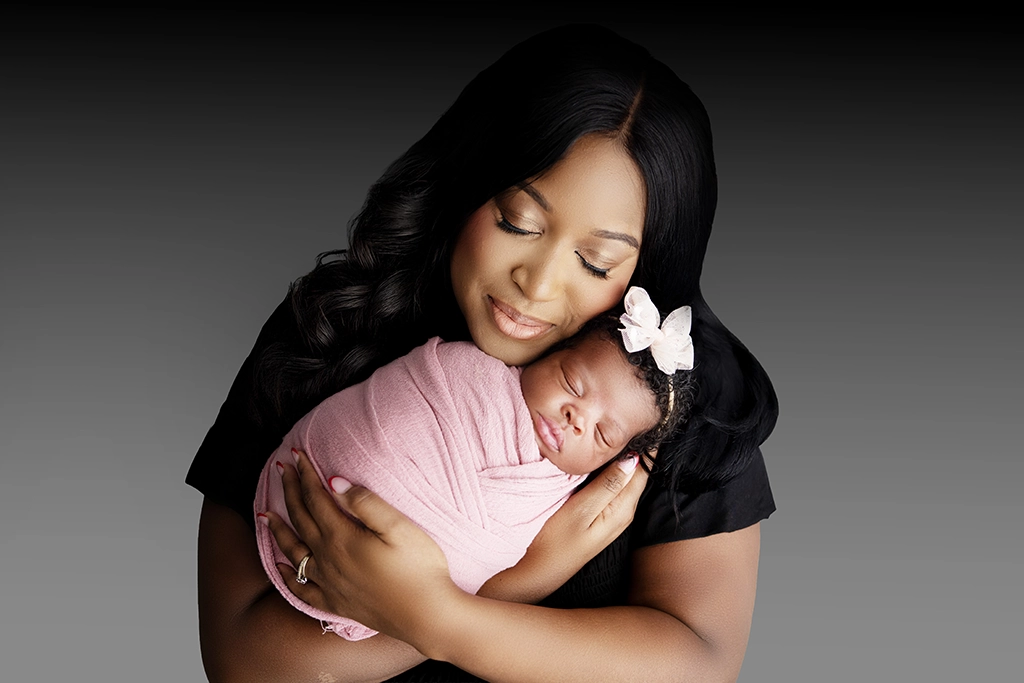
There are smiles you wait for, and then there is the first one that feels unmistakably meant for you.
At first, newborn expressions can be fleeting. A tiny smile appears while they’re sleeping and disappears before you can even reach for your phone. But eventually something changes. You talk to them, they look at your face — and suddenly they smile back.
It is such a small thing, but it can feel enormous.
Over the following months, that first little smile develops into grins, giggles and eventually the kind of laughter that makes everyone else in the room laugh too.
You will probably take hundreds of photographs of your baby’s smile during their first year. But try to remember more than what it looked like.
Remember what made them smile.
Was it your voice? A ridiculous song you sang every morning? Dad pulling the same silly face? Their sibling appearing beside the cot? The dog walking into the room?
Those little details are part of your baby’s first year memories too.
5. The Sounds They Used to Make
Before words arrive, babies have an entire language of their own.
Tiny newborn squeaks gradually turn into coos, babbling, excited shrieks and combinations of sounds that can sometimes seem like a very serious conversation in a language only your baby understands.
Some sounds stay for months.
Others disappear almost as quickly as they appeared.
And unlike photographs, these are surprisingly easy to lose from memory.
Take the occasional short video or voice recording — not because every moment needs to be documented, but because hearing that tiny voice again several years later can bring back something a photograph simply cannot.
You may remember that your baby used to babble.
You might not remember exactly how they sounded when they did it.
The NHS describes talking, singing, responding to your baby’s sounds and copying their noises as simple ways of encouraging early communication and interaction.
6. Their Favourite Toy or Comforter
It might be the beautiful toy you carefully chose before they were born.
Or, more realistically, it might be something completely unexpected.
A particular muslin cloth. A slightly worn teddy. A comforter they refuse to sleep without. A toy that has been washed so many times that you can barely remember what it originally looked like.
During the first year, babies often begin showing clear preferences, and those favourite objects can become part of everyday family life.
They appear in the cot, the changing bag, the pushchair and eventually in countless family photographs.
If your baby has something they genuinely love, keep it.
Years later, that slightly battered little toy may instantly take you back to a stage of their childhood you thought you would remember forever.
And if you are creating a memory box, this is exactly the kind of ordinary object worth saving — not because it was expensive or beautiful, but because it belonged to this particular version of your baby.
7. The Expressions That Were Completely Theirs
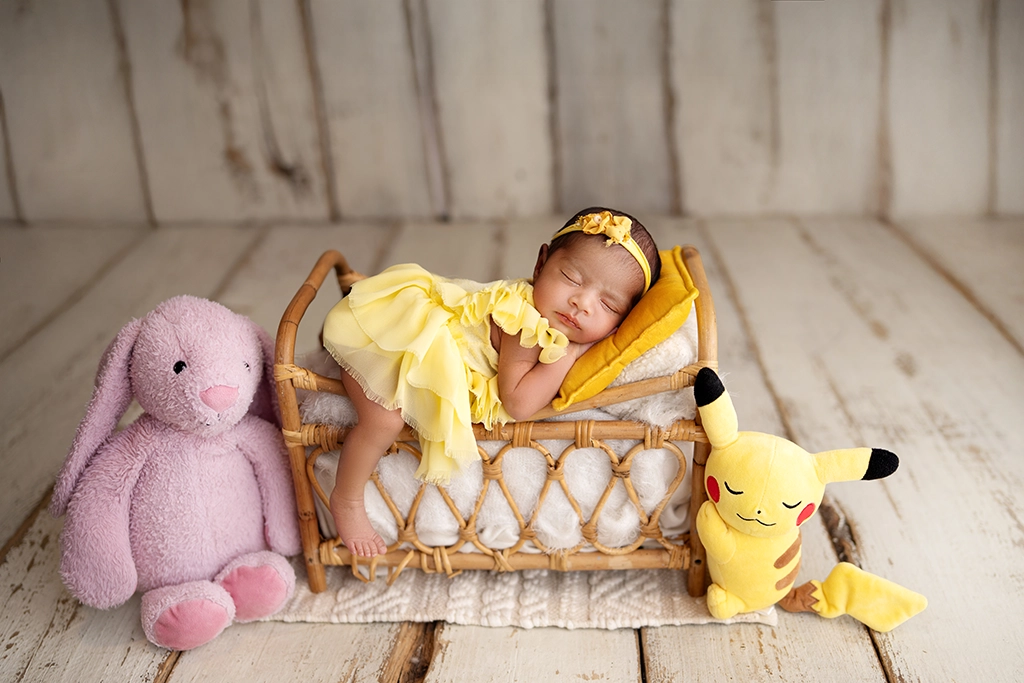
Every baby develops little expressions that belong entirely to them.
The serious stare when they’re concentrating.
The suspicious look they give something new.
The enormous open-mouth smile.
The wrinkled nose.
The expression that tells you a cry is coming approximately three seconds before anyone else notices.
As parents, we become experts at reading these tiny signals.
And because we see them every day, it is easy to assume we’ll always remember them.
But faces change remarkably quickly during the first year. The sleepy newborn expression gradually disappears. Their features become more defined, their personality becomes more visible and suddenly the baby looking back at you seems much older.
This is why I love photographs that aren’t necessarily technically “perfect”.
Sometimes the photograph where your baby isn’t looking at the camera, isn’t smiling on command or is pulling one of their completely characteristic expressions tells you far more about who they were at that age.
Not every photograph needs to be perfect to become important.
8. Their First Tastes — and the Mess That Came With Them
The transition from milk to exploring food brings an entirely new collection of expressions.
The first suspicious taste.
The dramatic reaction to something sour.
Food in their hair.
Food on the highchair.
Food somehow on the wall several feet away.
And the enormous pride when they finally manage to get something into their own mouth.
These everyday moments may not feel particularly sentimental while you’re cleaning mashed banana from the floor, but they are another sign of how quickly your baby’s world is expanding.
Their favourite foods will change. Their little highchair will eventually disappear. Mealtimes will become completely ordinary.
But there was once a time when every taste was new.
That is worth remembering too.
9. The Way They Looked at You
There is a particular way babies look at the people they love that is difficult to describe until you experience it yourself.
In the beginning, your newborn may spend much of their time sleeping. Then gradually, those quiet moments of eye contact become longer. They begin studying your face, following your movements and reacting when they hear your voice.
Before they can say your name, reach their arms towards you or follow you across the room, there is already recognition in the way they look at you.
And as the months pass, that look changes.
Sometimes it is complete fascination. Sometimes it is a huge smile the moment you walk into the room. Sometimes they look towards you for reassurance when someone unfamiliar approaches. And sometimes, surrounded by toys and distractions, they simply stop what they are doing to check that you are still there.
These moments are easy to overlook because they happen so often.
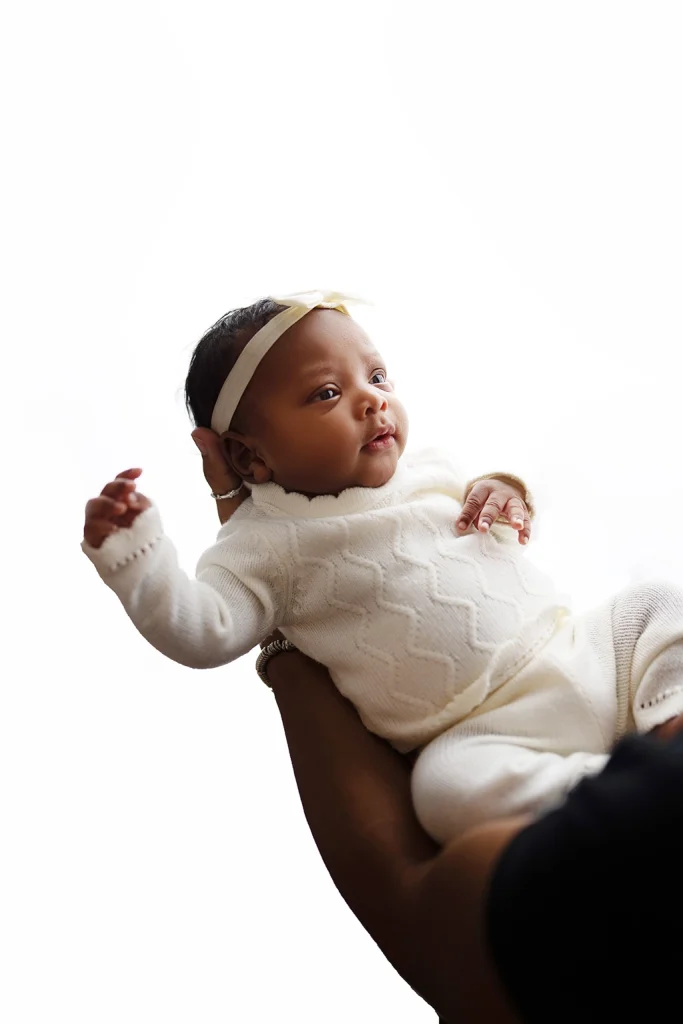
But when I photograph parents with their babies, some of my favourite images aren’t the ones where everyone is looking perfectly towards the camera. They are the photographs where a baby is looking directly at Mum or Dad — because that tiny interaction says something a perfectly posed portrait sometimes cannot.
One day, your child will look at you from much higher up.
They will become increasingly independent, and the world beyond you will become bigger and more exciting.
But during that first year, you are such an enormous part of their little world.
That is something worth remembering.
10. The Everyday Routines You Thought You'd Never Forget
Not all of your baby’s first year memories will come from big milestones or special occasions.
Some will come from the things you did over and over again.
The morning cuddle before getting out of bed. The way you prepared their bottle. A particular song that always seemed to calm them. Bath time. The walk you took with the pushchair almost every afternoon. The bedtime routine you repeated so many times you could practically do it with your eyes closed.
While you’re living them, these routines can feel endless.
And then, without any announcement, they stop.
One day you realise you haven’t rocked your baby to sleep for weeks. The tiny bath has been packed away. They no longer need that particular song. The favourite sleepsuit doesn’t fit. The bedtime feed disappears from your evening.
Often there isn’t a clear “last time”.
You don’t necessarily know that tonight will be the last night they fall asleep on your shoulder or that this morning will be the last time you carry them downstairs in exactly the same way.
That’s what makes the ordinary routines so easy to forget.
Take photographs of everyday life occasionally, even when your home isn’t perfectly tidy and nobody is dressed for a photograph. Record a little video of bath time. Write down the funny bedtime song. Photograph the favourite cup sitting on the kitchen table.
Years from now, these ordinary details may tell you far more about life with your baby than the photographs taken only on special occasions.
Sometimes the moments we repeat every day are the ones we never realise we’re experiencing for the last time.
11. Their Relationship With the People Who Loved Them
Your baby’s first year isn’t only the story of how they grow.
It’s also the beginning of their relationships.
At first, their world is very small. Gradually, they begin recognising the people who appear in it again and again.
Mum. Dad. Brothers and sisters. Grandparents. Other relatives. Close family friends. And sometimes even a very patient family dog who quickly learns that the newest member of the household drops interesting things from the highchair.
Over time, you begin to see those relationships developing.
The smile reserved for Grandma.
The excitement when Dad comes through the door.
A baby’s fascination with an older brother or sister.
The way a sibling brings them toys, tries to make them laugh or insists on helping with absolutely everything.
These connections are particularly beautiful to document because they don’t remain the same.
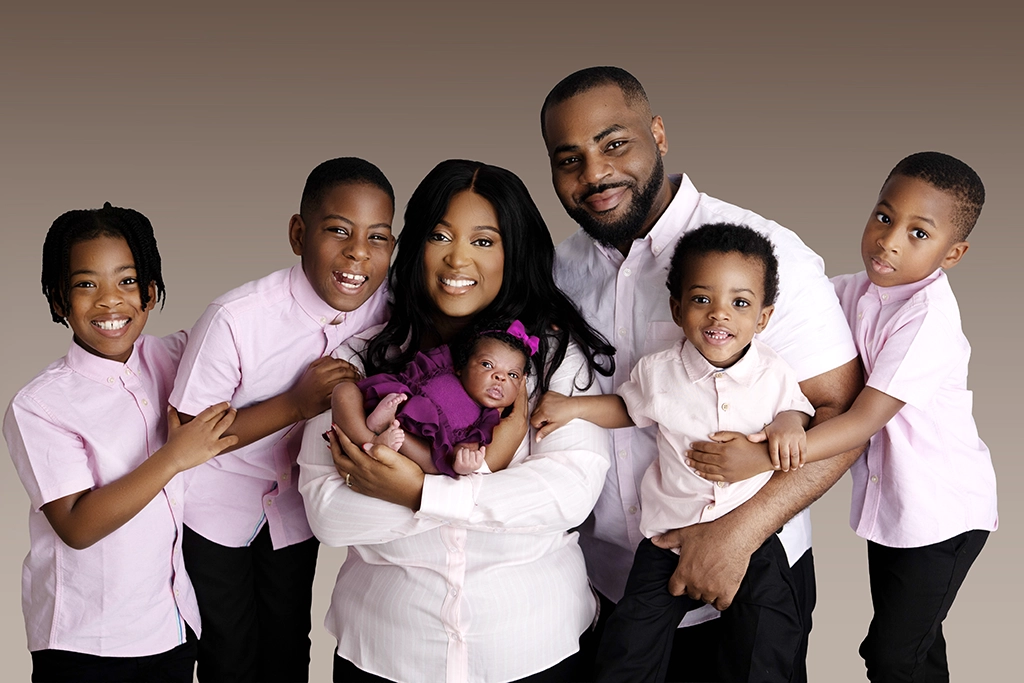
A photograph of an older sibling carefully holding a tiny newborn tells a completely different story a year later, when that same baby is crawling after them, stealing their toys and trying to join in with everything they do.
Family photographs during the first year therefore aren’t only about remembering what your baby looked like.
They preserve something else:
what your family looked like around them.
Who held them.
Who made them laugh.
Who comforted them.
Who was there while they were becoming themselves.
And years later, those relationships may be one of the most meaningful parts of the story.
12. Who They Were Just Before Turning One
And then, somehow, you reach the end of the first year.
The tiny newborn you brought home has become a little person with preferences, favourite people, favourite foods and a personality that seems to grow stronger every day.
They may be crawling everywhere, pulling themselves up, taking their first steps or still perfectly happy exploring the world from the floor. They might be saying a few sounds that almost resemble words, waving goodbye, clapping, dancing to music or finding the same silly game hilarious every single time.
There is no single version of what a baby should look like just before turning one.
And that’s exactly what makes this stage so special.
Try to remember who your baby was, rather than only which milestones they had reached.
What made them laugh?
What did they do when they were excited?
Which toy followed them everywhere?
What food could they never get enough of?
How did they ask to be picked up?
What little habit was so completely them?
By the time their first birthday arrives, it can be tempting to focus on everything they have achieved — sitting, crawling, standing, talking or perhaps walking.
But the first birthday isn’t a deadline for development.
It is simply a beautiful marker of how far your baby has travelled since the day you first met them.
Twelve Months, Hundreds of Little Memories
Looking back at your baby’s first year memories, you may realise that the moments you treasure most aren’t necessarily the biggest ones.
Of course, first smiles, first foods and first steps are wonderful.
But so are sleepy cuddles.
Tiny toes.
The battered favourite teddy.
The ridiculous sound that always made them laugh.
The morning routine you performed hundreds of times.
The way they looked at you.
And the people who surrounded them with love.
You don’t need to document every second of your baby’s childhood. In fact, sometimes putting the camera down and simply being there is just as important.
But every now and then, capture the ordinary things too.
Because your baby’s first year isn’t only a collection of milestones.
It’s the beginning of their story.
Watching Your Baby's First Year Unfold
One of the reasons I created my Watch Me Grow sessions is to document these changes gradually rather than seeing a baby only at the newborn stage and then again when they turn one.
Month by month, the differences can seem tiny.
Look back across twelve months, and they are extraordinary.
From a sleepy newborn curled into your arms to a sitting, crawling, laughing little person with a personality entirely their own, photographs can preserve pieces of the first year that memory alone may eventually soften.
You won’t remember every day of their first year. But you can remember how it felt to watch them become them.